On perception, judgment, and the small shifts in framing that shape human decisions.
I sometimes wonder how life might have unfolded differently if I had made other choices. In this version, I became interested not in systems or language, but in how people perceive reality—and how that perception shapes the decisions they make.
People do not respond to reality. They respond to the version of reality their mind constructs.
On Perception and Decision
It started with something simple. Optical illusions. Images where two people see different things, or where the brain confidently reports something that is not actually there.
At first, they feel like tricks. Over time, they start to feel like explanations.
An optical illusion is not a failure of vision. It is a glimpse into how vision works. The brain does not passively record reality. It constructs it. It fills in gaps, makes assumptions, and simplifies complexity. Most of the time, this works well enough that we do not notice. But when it does not, the illusion appears.
That realization stayed with me. Because if perception can be distorted so easily, what about judgment?
Thinking Fast, Thinking Automatically
Much of what we call thinking is not deliberate. It is fast, intuitive, and automatic. We recognize patterns, jump to conclusions, and form impressions before we are even aware of it. Only occasionally do we slow down and examine those impressions more carefully.
The distinction is simple, but its consequences are not. Most decisions are made quickly. Most justifications come later.
That is not necessarily irrational. It is efficient. But efficiency and accuracy are not the same thing, and in important moments the gap between them matters.
Bias in Everyday Decisions
Once you start looking for it, you begin to see the same patterns everywhere. A number mentioned early in a conversation quietly anchors expectations. Even an arbitrary starting point can shape the range of outcomes that feel reasonable.
A sense of scarcity makes something feel more valuable. The behavior of others signals what is acceptable or desirable. These are not flaws in the system. They are the system.
People do not weigh every option from first principles. They rely on shortcuts that are usually good enough. But good enough is not the same as objective.
From Perception to Influence
If perception shapes judgment, and judgment shapes decisions, then small changes in framing can have disproportionate effects. The same idea, presented differently, can lead to a different outcome.
A question asked in one way invites openness. Asked another way, it invites resistance. In conversations, especially important ones, people rarely respond to facts alone. They respond to how those facts are presented, and to how they feel while processing them.
Understanding this changes how you listen. And how you speak.
Negotiation and Real Conversations
In negotiation work, this becomes very clear. People want to feel understood. They want to feel in control. They want their perspective acknowledged, even if it is not accepted.
Often, progress does not come from pushing harder, but from reframing the situation so that the other side can move without feeling that they have lost. The shift can be small. But the effect is not.
Over time, one idea keeps returning. People do not respond to reality. They respond to the version of reality their mind constructs.
Optical Illusions and Constructed Reality
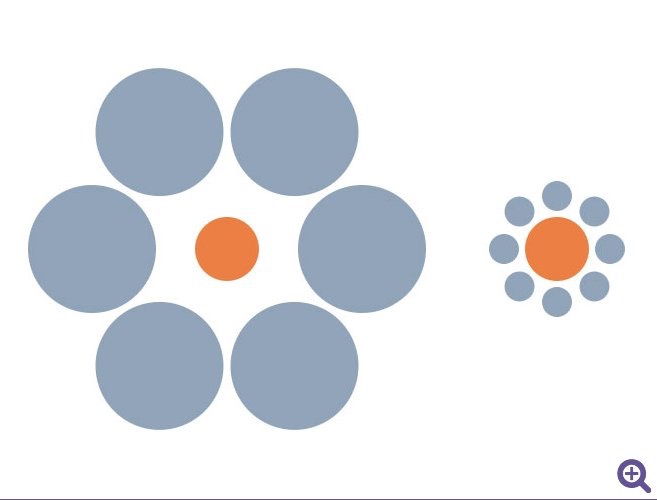
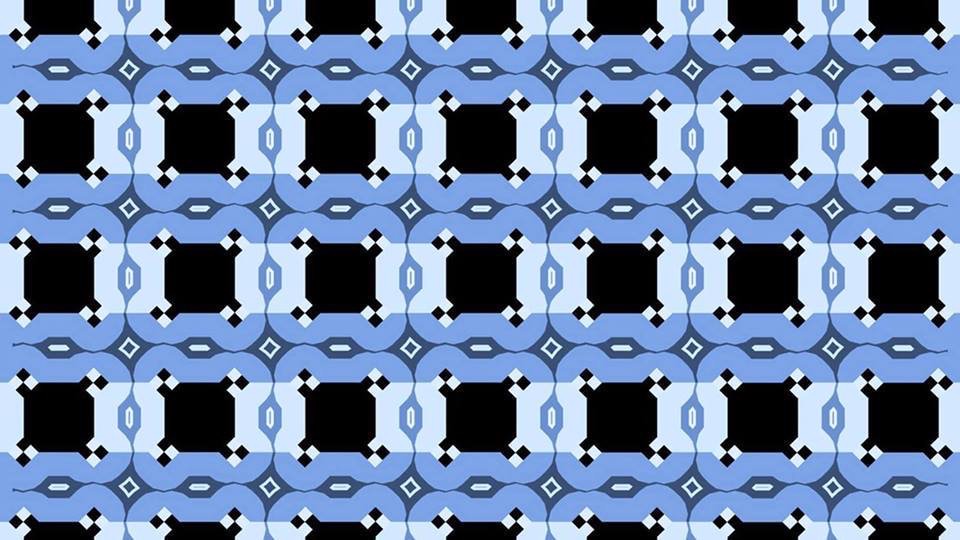
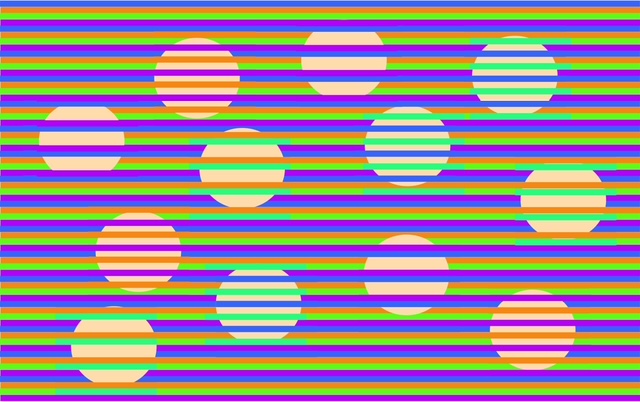
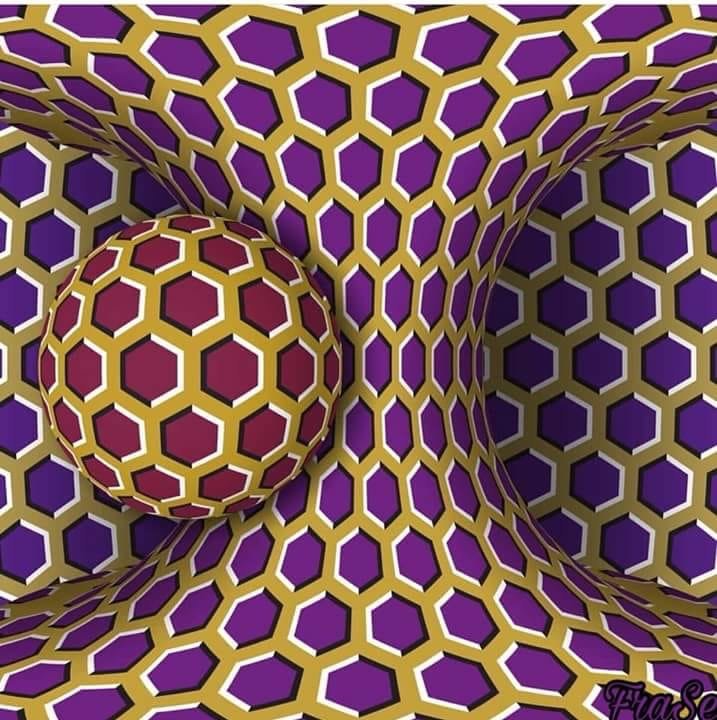
These images are compelling not because they fool the eye, but because they reveal the assumptions behind seeing. Size becomes relative. Color changes with context. Motion appears where there is none. Depth emerges from a flat surface.
That is why I keep coming back to them. They are visual reminders that perception is interpretive, and that the mind is always doing more than reporting what is there.
The same shape can feel different when the context changes.What seems like color can be an effect of surrounding signals and contrast.A static pattern can still produce the experience of motion.Depth can be inferred so strongly that a flat image feels architectural.
Why It Matters
Understanding this does not make anyone immune to bias. If anything, it makes the persistence of bias easier to notice. But awareness creates a small gap—a moment where you can pause, reconsider, and sometimes choose differently.
If you have ever caught yourself reacting quickly, then later realizing you saw things differently, you have already seen this process at work. It is not a flaw. It is how the mind operates.
The interesting question is what you do once you notice it.